Why Masterpiece Art Requires Master Materials


Artistic vision is bound by the material limitations of the medium.
There is a colloquial sentiment in creative circles that "a truly great artist can create masterworks from any material." While a skilled practitioner can certainly stretch a low-grade material to its absolute threshold, the truth is that every substrate, binder, and pigment has a physical limit. In fine art, substandard materials do not merely underperform; they actively work against the longevity and beauty of the finished piece.
Consider a digital parallel: despite massive advancements in consumer smartphone cameras, their compact sensors cannot compete with the optical physics and expansive dynamic range of a dedicated, professional camera setup. Wedding and portrait photographers do not spend thousands on elite camera bodies for novelty; they do so because high quality photography requires tools engineered for quality performance.
In the realm of oil painting, one of the most critical material epiphanies an artist can have centers on the chemistry of white pigments—specifically basic lead carbonate, historically known as Cremnitz White. When modern, non-toxic alternatives like titanium dioxide (Titanium White) and zinc oxide (Zinc White) became mass-produced, they quickly became the industry default due to low costs in comparison to their toxic forefather. However, their optical and structural properties are distinctly lacking for fine portraiture and landscape work.
Titanium White has an exceptionally high refractive index and aggressive tinting strength. It lacks subtlety, flattening color mixtures into a chalky, opaque mask. While it is a functional choice for stark highlights or underpaintings, it cannot capture atmospheric depth. Zinc White offers more warm and transparency than Titanium, but modern conservation science has proven a devastating flaw: pure zinc oxide dries into a highly brittle crystal network. Over time, it causes the paint layers to crack and delaminate from the surface.
Cremnitz White operates on entirely different physical principles. It possesses a lower refractive index, allowing for exceptional translucency and subsurface light scattering. This is the exact physical phenomenon required to render the luminous depth of human skin or delicate atmospheric mist. This material reality is why Impressionist masterpieces still practically glow on museum walls today; though they pioneered new styles, they steadfastly relied on the unique optical properties of a lead white palette.

Ultimately, a painting’s visual depth and physical permanence are manifestations of its raw ingredients. Genuine Burnt Sienna, for example, relies on the precise calcination of raw sienna earth—a thermal process that dehydrates the yellowish minerals into rich, red anhydrous iron oxides before being milled and suspended in a pure drying oil such as linseed oil.
When commercial brands manufacture "student-grade" paints, they flood the tubes with inert mineral fillers like barium sulfate or calcium carbonate to cut costs. These paints lack actual tinting power on the palette. The artist is forced to pile on twice the volume of paint, and the artist is unable to escape the dull and sometimes chalky nature of the paint. Adding more oil to the pigment is also a way manufacturers sometimes extend colors in the tubes without fillers. With these pigments, it can require not just more paint but more layers of paint to reach a desired effect. Besides the inconvenience, this creates a greater buildup of oil which can cause issues for the artist in balancing the appropriate level of oil content in the layers.
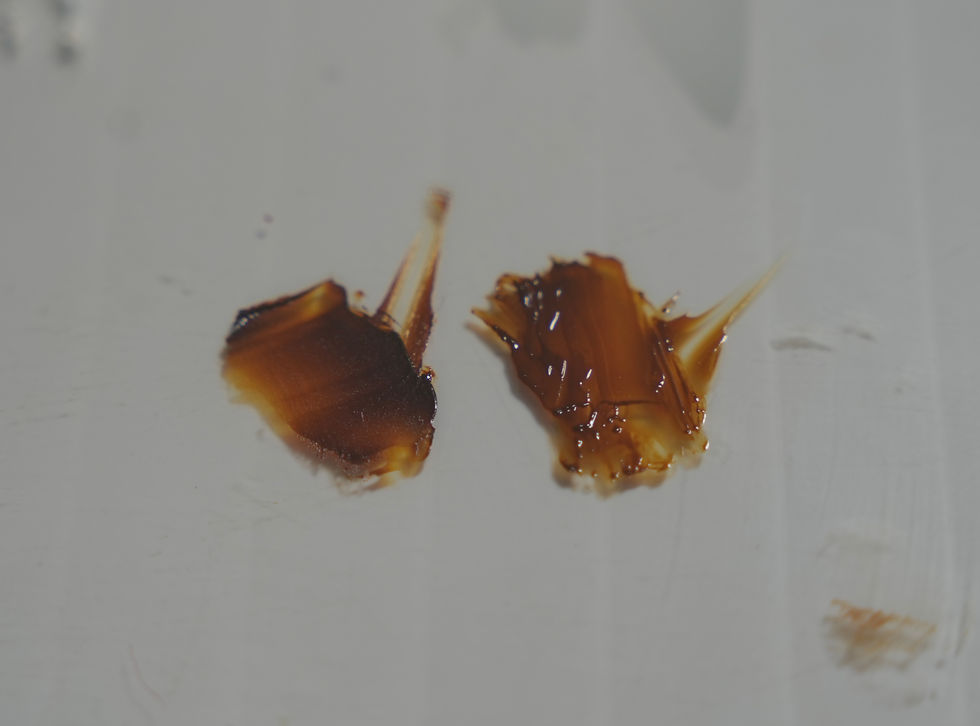
Sifting through material data sheets, analyzing pigment behaviors, and sourcing or mixing my own conservation-grade varnishes are all steps in how I guarantee that the stories I paint upon my panels will reach their full beauty and remain vibrant for centuries. I source materials from specialized manufacturers worldwide in order to offer my clients the best quality for their collections.

Thank you for sharing valuable information! How do you manage the toxicity of lead white paint in your studio?